
Decking Cleaning
Low pressure and hot water, not a jet wash on full.
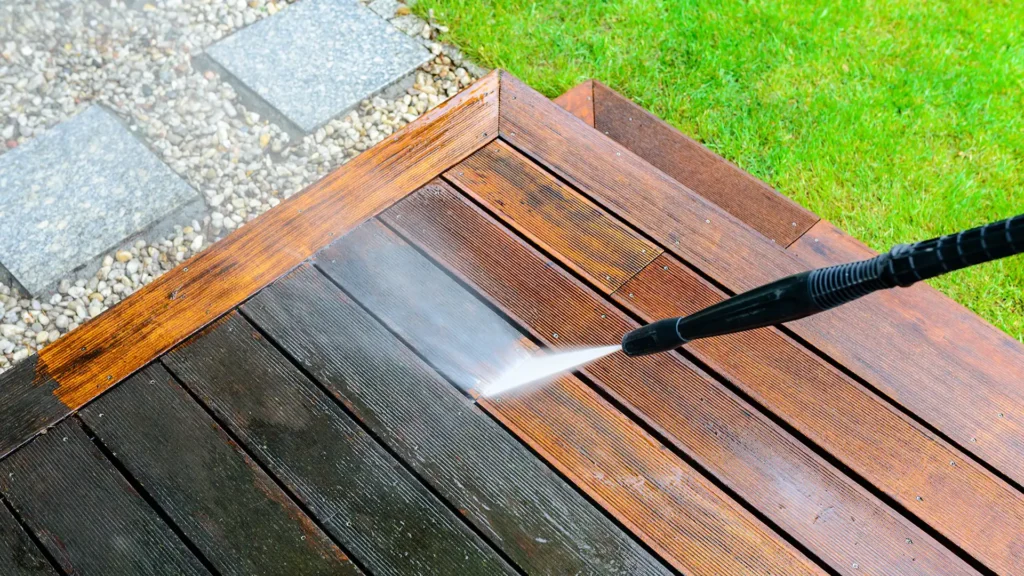
Timber is soft, and high pressure raises the grain. Once that happens the surface is rougher, it holds more water, and the green growth comes back faster than it did before. It also strips whatever oil or stain was on there.
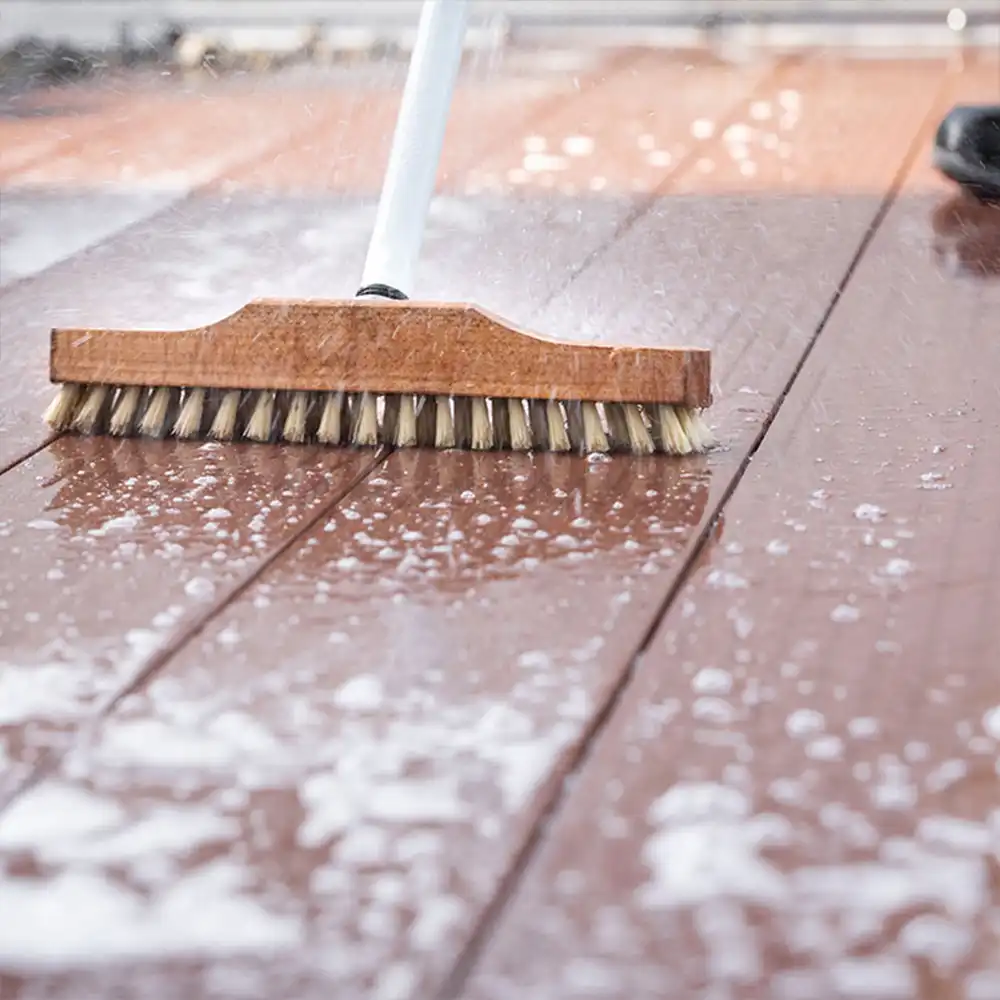
We use hot water and low pressure, which lifts the growth out of the grain without tearing at the timber. The gaps between boards get done as well, since that’s where most of the moisture sits.
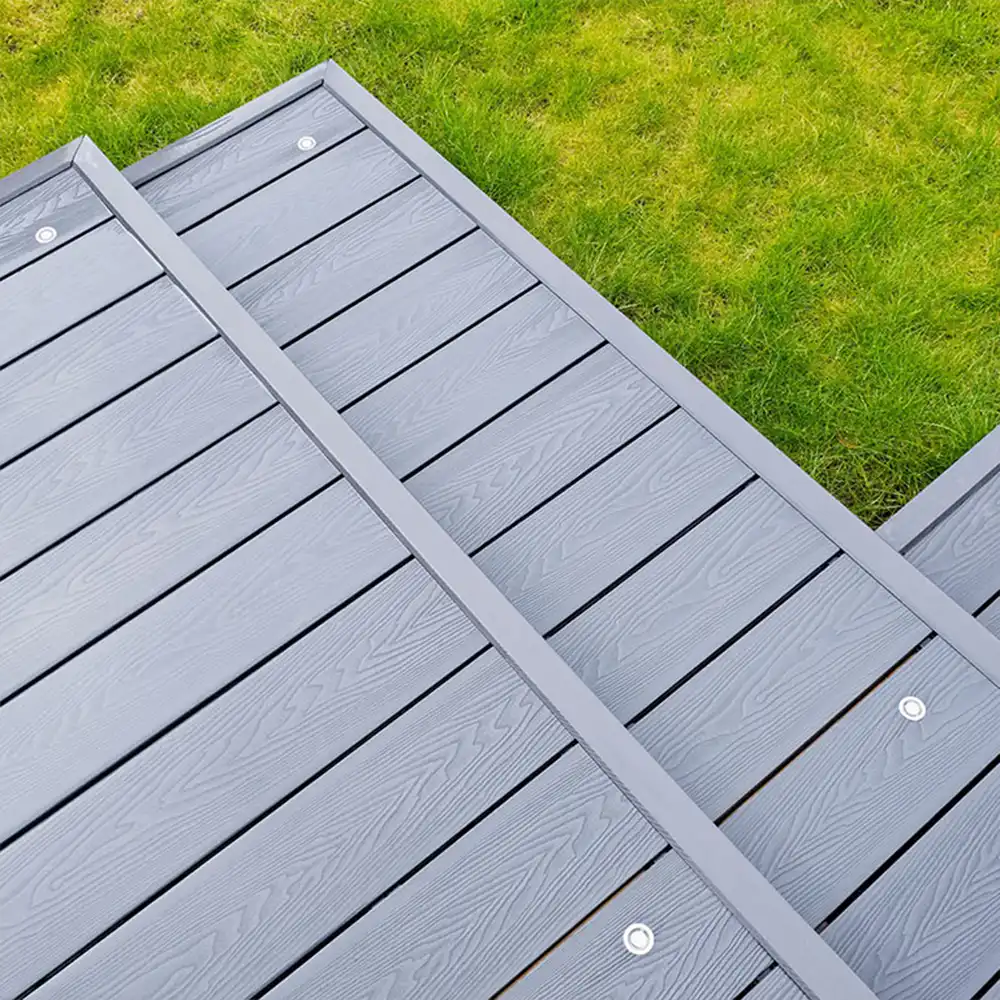
Composite decking is different again. It doesn’t need oiling and it marks differently, so we treat it as its own job.
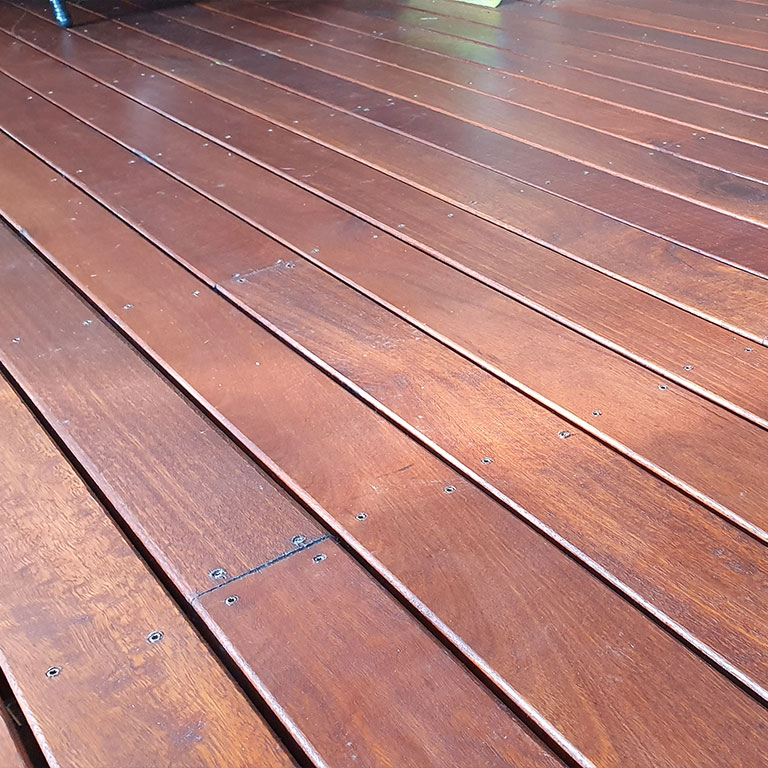
Cleaning decking without re-oiling it is a job half done, so we do both.
Bare timber absorbs water, and absorbing water is what causes the greening, the splitting and eventually the rot. Cleaning takes the growth off but leaves the surface open, so without oil the same thing starts again from the moment we drive away.
Once the deck is clean and properly dry, oiling restores the colour and seals the surface so water runs off rather than soaking in. It’s the difference between a deck that needs doing again next spring and one that holds up for a couple of seasons.
Timing is the part that catches people out. The timber has to be dry all the way through before oil goes on, not just dry on the surface, so we normally clean and then come back to oil rather than doing both in one visit. We’ll tell you when we’re there roughly how long that’ll be, since it depends on the weather and how sheltered the deck is.
Composite decking is different again. It doesn’t need oiling and it marks more easily than timber, so we treat it as its own job.
Late spring is the best time, and not just for the weather.
Clean and oil in late spring and you get the whole summer out of the deck, with the timber sealed before the wet weather returns.
It also means the deck is dry enough to take the oil, which is the part people get caught out by. Leave it until October and the timber often never dries out properly between showers, so it goes into winter bare and you’re back to square one by March.
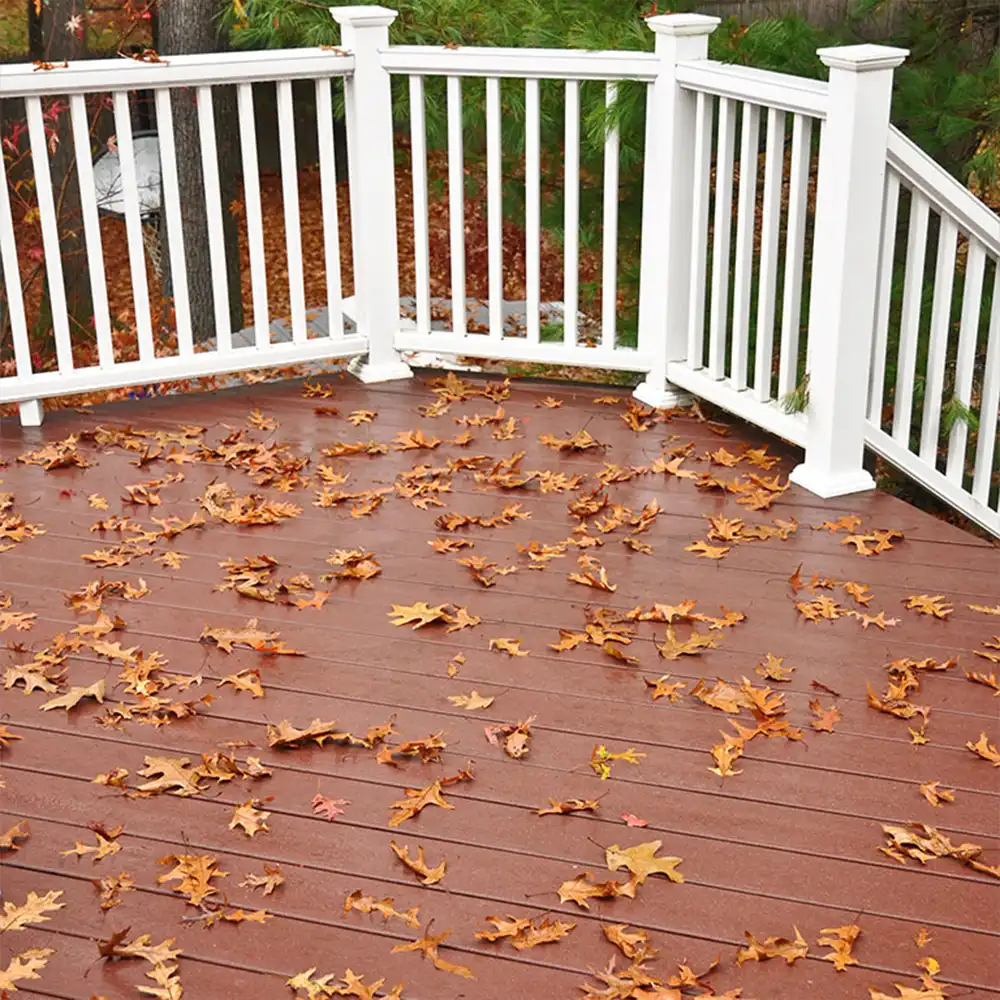
An autumn clean on its own is still worth doing where a deck sits under trees, mostly to get the leaf litter off before it stains and mulches down over winter.